This post is also available in:
 Français (French)
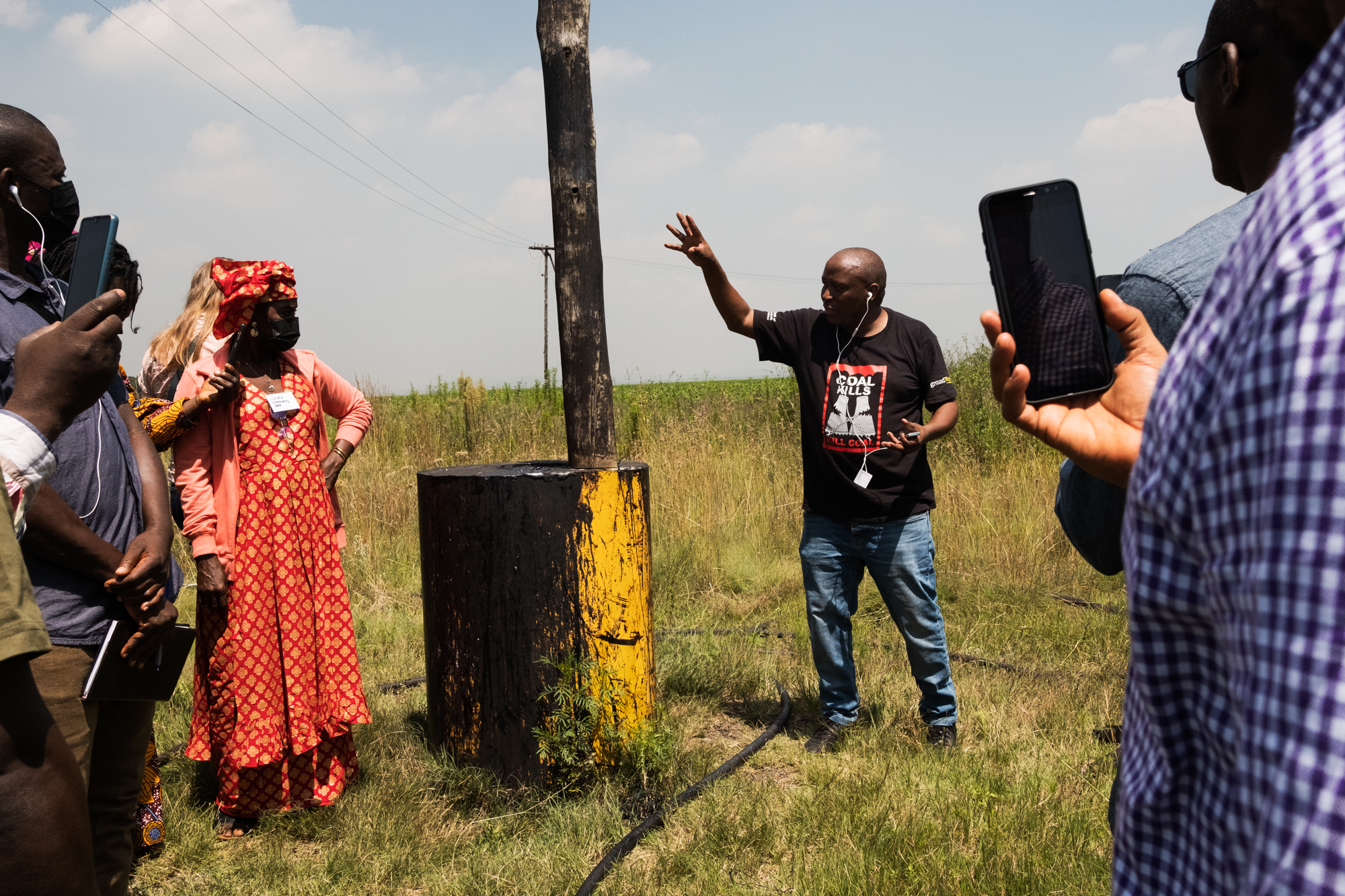
In February 2023, eighteen community leaders and civil society advocates from Guinea’s mining regions travelled to South Africa to learn from communities that have spent more than a century organizing against the harms of industrial mining. Hosted by GroundWorkand local partners, the visit revealed a powerful truth: real change begins when communities themselves organize to defend their rights.
Despite its mineral wealth, South Africa remains deeply unequal. More than half the population lives in poverty, and many mining-affected communities still lack clean water and sanitation. In Mpumalanga and other mining zones, residents described severe air and water pollution from coal-fired power plants and industrial waste. One of the most important lessons was how people mobilize to confront problems.
Watch the video : Community Organizing for Clean Air – Guinean activists visit South Africa on a learning exchange
When Communities Resist division and Lead Their Own Movements
Facing poverty, pollution and social injustice, South African leaders warned Guinean visitors about a pattern they know too well: mining companies creating divisions through selective recruitment and false promises. Molebohena Mathafena from Vaal Environmental Justice Alliance, stated “people want to work, but the opportunities are given in a way that creates conflicts between community members. For them, it is a tactic to divide and conquer, so that mining continues peacefully”. For this reason, amongst others, they stressed unity is essential. When leadership is shared, communities cannot be easily manipulated, and even “If one person is compromised, you still have 99 people to carry the struggle”, as Thomas Mnguni, Coal campaigner at GroundWork in South Africa said.
In 2012, 34 striking workers were killed in Marikana, a village in South Africa’s North West province, located halfway between the towns of Brits and Rustenburg, along the railway line connecting the two. Hosts reminded the delegation that activism in mining areas carries real risks. Yet communities continue to organize despite threats and intimidation.
Promise Mabilo, a VEM leader stressed it is important to “sit down so that it’s a community thing so that even if they come it back doors, the community stands firm and say we are fighting for our rights”
Women leaders, youth groups, and movements like VEM showed how door-to-door education, documenting illnesses, and challenging company practices can build collective power.
A simple but transformative tool stood out: the community bucket monitoring system, which allows residents to measure air pollution themselves. Collecting their own data has helped South Africans prove pollution levels and push for enforcement of environmental laws, a model Guinean villages can adapt for dust, water quality, and blasting impacts.
South Africans are not only resisting mining abuses — they are creating alternatives. Community-run solar installations, gardens, and youth-led climate initiatives show that a just transition is already taking shape from the ground up.
Key Lessons for Guinean Communities
The South African experience shows that real change starts when communities themselves lead the fight for their rights, sharing knowledge widely so that every villager, not just a few leaders, understands the laws, the risks, and the stakes. It also demonstrates that unity is a source of protection, while division opens the door to corporate manipulation. By documenting pollution, broken promises, and daily harms, communities build the evidence they need for strong advocacy. And perhaps most importantly, South African activists remind us that alternatives do exist: futures rooted in community-controlled resources, clean energy, and regenerative livelihoods are not only imaginable but achievable.
The message was clear: when communities organize themselves, they become powerful agents of change.
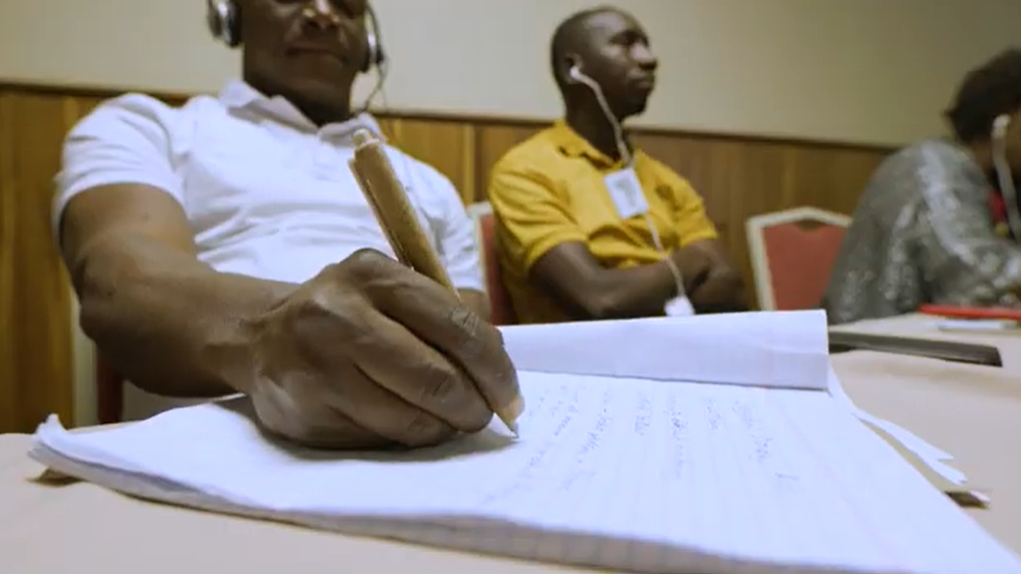
Amadou Bah from ActionMines Guinée knows change will not come overnight, as “social barriers in Guinea must be broken down gradually so citizens understand they shape political governance.” Still, the hope inspired by the South African experience strengthens the delegation’s resolve to support communities and empower them to stand up for their rights, because, as the VEJA Coordinator, Samson Mokoena, reminded everyone, “we have to rethink about development as Africans. What kind of a development do you want.”
This learning exchange was coordinated by Lien De Brouckere of the 11th Hour Project, who helped define the objectives, prepare the participants, and support them in compiling the main lessons. She later produced a film of the learning exchange, supported by Director of Photography Tom Laffay and editor Kate Linhardt shaping the narrative, script, and core messages. Dubbed in French and the three primary local languages in Guinea (Malinke, Pular and Sousou), the primary purpose of the film is to share the learnings with local communities and civil society organizations in Guinea.
